Traditions · The Gambia · 7 min read
Jiidaano and Korondoo: When Communities Call on the Rain
Story · 7 min read
Spoken reading of this record. Original community recordings are released only with the knowledge holders' consent.
The Story
There was a time when knowing the rain was not only about looking at the sky.
For communities around Kiang West National Park, rain has long been connected to community knowledge, spiritual practice and a deep relationship with the natural environment.
When rain becomes scarce and drought threatens the community, some communities traditionally turn to jiidaano, a practice of invoking nature through prayers and offerings at sacred sites. And when the rain becomes too heavy, another practice, known as korondoo, is traditionally used to ask for the rain to stop.
These practices are more than rituals. They are part of a body of cultural knowledge passed from one generation to another.
When the rain does not come
During periods of drought or rain shortage, communities around Kiang West National Park have traditionally practised jiidaano. The practice involves community prayers and sacrifices at sacred sites, with the intention of invoking nature to bring rain.
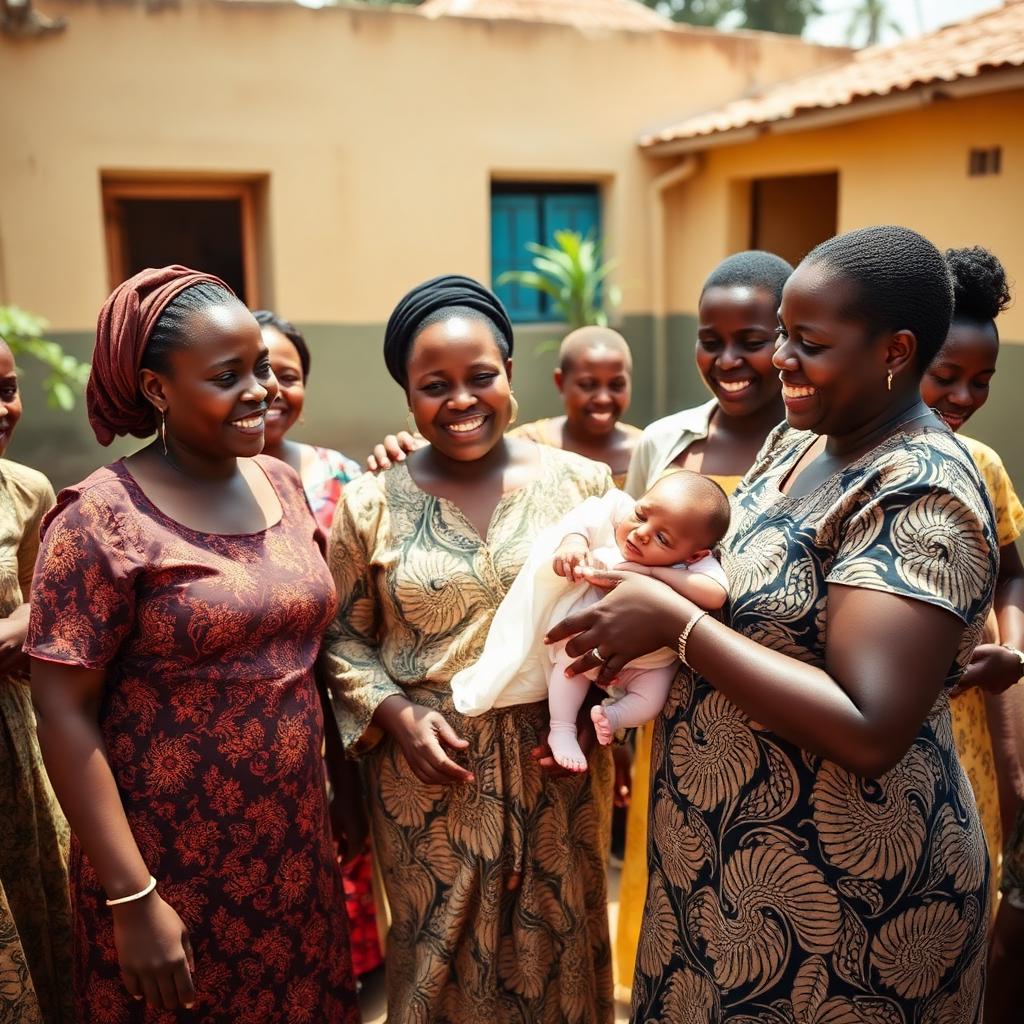
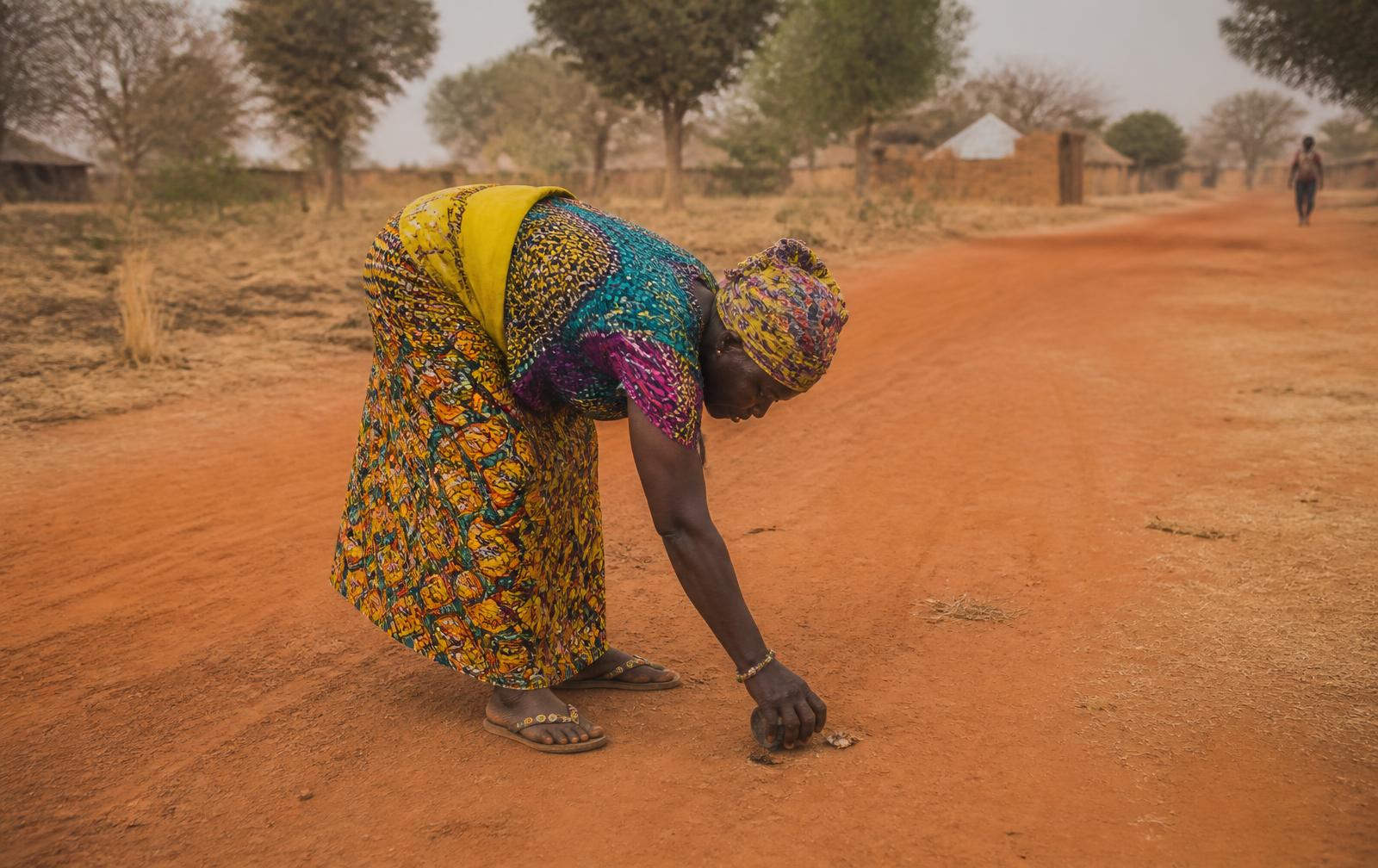
Women play an important role in the practice, accompanied by children and a community servant known in Mandinka as Falfa Keebaa. In some instances, kola nuts and salt are carried and shared among participants as an act of charity. Sand or powdered ash may also be placed at road intersections as part of the practice.
These actions form part of a traditional way of responding to a natural event that directly affects community life.
And when there is too much rain?
The story does not end with asking for rain. When heavy rainfall leads to flooding, communities have traditionally turned to korondoo, a practice associated with asking God to stop the rain.
According to the documented tradition, korondoo can take several forms. One involves shaping soil into balls and placing them at road intersections. Another involves kurulungo, described as a type of plant or “battle brush” whose branch is split symmetrically without completely separating it from the parent plant. Another practice involves piercing a live scorpion with a stick and leaving it upside down facing the sun. In some communities, the drying of a pair of blacksmiths' bellows, locally known as kura jaa, is also associated with the practice.
These traditions demonstrate the many ways communities have developed cultural responses to the forces of the natural world.
The people who carry the knowledge
Perhaps the most important part of these traditions is not the ritual itself. It is who carries the knowledge.
The practices are connected to elders, women, children, community servants, blacksmith families and other community members who understand when and how the traditions are performed.
Children may accompany elders to sacred sites, watching, listening and learning. They are not simply spectators. They are part of the process through which knowledge moves from one generation to the next.
The lesson is simple: if the knowledge is not passed on, the tradition cannot continue.
A tradition shaped by the environment
Jiidaano and korondoo also reveal something about the relationship between culture and the environment. For communities whose lives depend on the seasons, rainfall is not an abstract idea. It affects agriculture, food, water, livelihoods and everyday life.
The practices documented around Kiang West therefore form part of a wider cultural relationship with the natural environment. They show how communities have historically interpreted, responded to and made meaning from environmental changes.
Where does this tradition come from? Dumbuto, Batelling, Jali, Kuli Kunda and Bajana villages, Kiang West National Park, Kiang West District, Lower River Region, The Gambia.
Meet the Tradition
Jiidaano
- When
- Traditionally practised during periods of rain shortage or drought
- Purpose
- Community prayers and traditional practices associated with invoking rain
- People involved
- Women, children and a community servant known as Falfa Keebaa
Korondoo
- When
- Traditionally associated with periods of heavy rainfall and flooding
- Purpose
- Traditional practice of beseeching God to stop the rain
- Knowledge holders
- Community members and practitioners, including traditions associated with blacksmith families
Cultural Context
Jiidaano and korondoo are intangible cultural heritage practices documented around Kiang West National Park. They form part of a wider body of community knowledge about weather, agriculture and the natural environment, carried across generations by elders, women, children, community servants and blacksmith families.
Contributor: This story is based on the documentation of Jiidaano and Korondo Rain Rituals, identified as intangible cultural heritage elements linked to disaster risk reduction and sustainable management of natural resources in The Gambia, 2021–2022. Source: UNESCO and National Centre for Arts and Culture. Consent: this element was inventoried in September 2021 by the NCAC in agreement with village chiefs.
Associated place: Kiang West National Park, Lower River Region
Language: Mandinka · Consent: Granted · Verification: Human verified